
The inconsistency of battery cells is a common issue within battery packs, primarily referring to the differences in performance parameters among individual cells within the pack, such as capacity, voltage, internal resistance, State of Charge (SOC), etc. These differences may stem from issues in the cell manufacturing process, material variations, or environmental changes during use. The hazards of cell inconsistency include reduced capacity, increased system failure rates, decreased performance, and shortened service life.
Cell inconsistency can be likened to a scenario where some cells in the battery pack are weak and worn out, while others are strong and robust. During discharge, the weak cells will deplete their charge first and can no longer continue discharging; otherwise, it would over-discharge and reduce chemical activity, necessitating the entire battery pack to stop discharging and wait for recharging. When charging, cells with lower capacity will reach full charge first; continuing to charge may risk overcharging, while other cells with higher capacities are not yet fully charged.
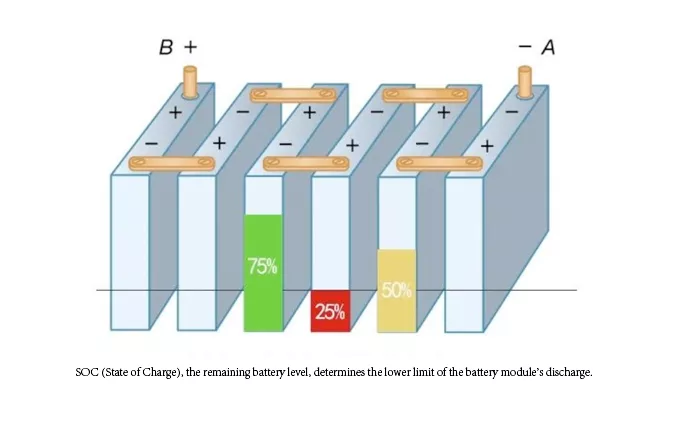
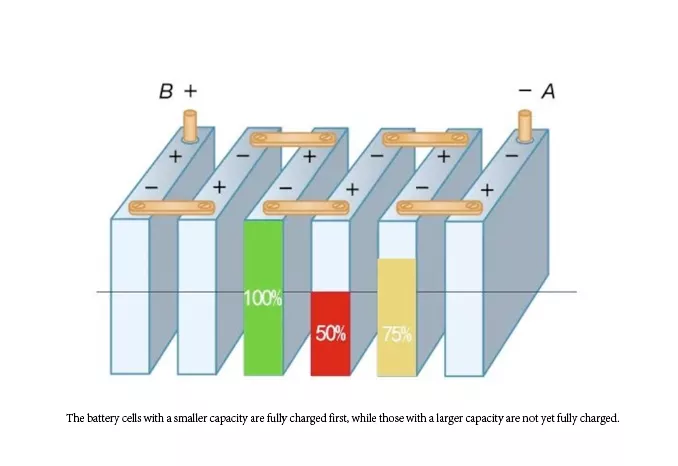
In addition to capacity and voltage inconsistency, there is also resistance inconsistency. Cells with higher internal resistance generate more heat, leading to excessively high battery temperatures, which in turn accelerate cell aging in a vicious cycle. The harm from refurbished or recycled batteries is even greater due to greater cell variation, resulting in shorter range, poorer safety, and a reduced lifespan.
Causes of Cell Inconsistency:
- Generated during production. Through processes such as mixing, coating, calendaring, winding, assembly, electrolyte injection, and capacity grading, cumulative errors occur at each stage. It is best to select cells from the same batch and classify and sort them to group similar group of cells.
- Resulting from usage. Due to the different positions of each cell within the battery pack, there will inevitably be environmental differences, such as slight temperature variations, which, when accumulated over time, lead to cell inconsistency.
To address inconsistency, it is necessary to employ a Battery Management System (BMS) to perform active or passive balancing of the cells, as well as a robust thermal management system.


